
Exploring Bengal Cat Diets: Best Foods and Nutritional Tips for Optimal Health
As a fellow cat lover and proud Bengal cat owner, I know just how special these beautiful feline companions are. Their striking looks, playful nature, and vibrant energy levels make them a joy to have around the house. But to keep your Bengal cat thriving and healthy, it’s crucial to provide them with the right diet. Ensuring optimal cat health starts with understanding the unique nutritional needs of our Bengal friends.
Having been a cat owner for many years, I’ve learned that what you feed your Bengal can significantly influence their overall well-being. From their shiny coats to their high energy levels, diet plays a pivotal role. In this article, we’ll dive deep into the best food options for Bengal cats and share some essential cat care tips to keep your furry friend in peak condition. Whether you’re a new Bengal cat owner or a seasoned enthusiast, there’s always something new to learn about feline nutrition.
Key Takeaways
- Bengal cats require a high-protein diet to support their active lifestyles.
- Raw or high-quality wet foods are often preferred for their nutritional benefits.
- Avoid foods with fillers, artificial additives, and excessive carbohydrates.
- Ensure a balanced diet with a mix of proteins, fats, and essential vitamins.
- Regular hydration is vital; encourage your Bengal to drink plenty of water.
Main Content Section 1
Understanding the dietary needs of Bengal cats is crucial to providing them with the best possible care. Unlike some other breeds, Bengals have a higher metabolic rate and require more energy-rich foods. This means their diet should primarily consist of high-quality proteins. Chicken, turkey, and fish are excellent sources of animal protein that can help maintain lean muscle mass and support their energetic nature.
In addition to proteins, fat is another essential component of a Bengal’s diet. Healthy fats provide a source of concentrated energy and are crucial for maintaining their shiny, luxurious coats. Look for foods that contain omega-3 and omega-6 fatty acids, which support skin health and reduce inflammation.
While carbohydrates are not a primary concern for Bengal cats, it is important to keep them at a minimum. Unlike humans, cats do not derive much energy from carbs, and excessive amounts can lead to weight gain and other health issues. When selecting a commercial cat food, choose brands that prioritize protein content over carbohydrates. Always read the label carefully to ensure you are making the best choice for your Bengal’s health.
Main Content Section 2
For many Bengal cat owners, the question of whether to feed raw or cooked foods is a common concern. Raw diets can be beneficial, as they are closest to what a cat would naturally eat in the wild. Raw feeding can be a great way to provide your Bengal with a diet rich in natural nutrients, but it requires careful handling and preparation to avoid health risks. If you choose to go this route, consider consulting with a veterinarian or a pet nutritionist to ensure your cat’s diet is balanced and safe.
Commercial wet foods are another excellent option for Bengal cats. These foods typically contain higher moisture content than dry kibble, which helps keep your cat hydrated. Hydration is key to preventing urinary tract issues, which Bengals can be prone to. When selecting wet food, look for products that list real meat as the first ingredient and avoid those with artificial additives and by-products.
It’s also worth noting that every Bengal is unique, and what works for one cat might not work for another. Pay attention to how your individual cat reacts to different foods and make adjustments as needed. Regular veterinary check-ups can also help monitor your Bengal’s health and ensure their dietary needs are being met.
Step-by-Step Guide
- Consult with your vet to understand your Bengal’s specific dietary needs.
- Select a high-quality cat food with a significant protein content.
- If choosing raw, ensure meat is fresh and handle it with care to prevent contamination.
- Introduce new foods gradually to monitor your cat’s reaction.
- Provide constant access to fresh water to encourage regular hydration.
- Observe your cat’s coat, energy levels, and weight to adjust diet accordingly.
- Schedule regular vet visits to track your cat’s health and dietary success.

Pro Tips
- Consider rotating proteins to prevent food allergies and keep meals interesting.
- Invest in a high-quality water fountain to encourage your Bengal to drink more.
- Supplement with probiotics to support your cat’s digestive health.
- Use feeding puzzles to stimulate your Bengal mentally and physically.
- Monitor portion sizes to prevent overeating and maintain a healthy weight.
Common Mistakes to Avoid
- Feeding low-quality foods filled with fillers and grains.
- Ignoring the importance of hydration in a Bengal’s diet.
- Over-reliance on dry kibble as the sole food source.
- Failing to consult with a veterinarian about dietary changes.
- Offering too many treats, leading to an unbalanced diet.
Frequently Asked Questions
- What is the best type of food for Bengal cats?
- Bengal cats thrive on high-protein diets, often benefiting from raw or high-quality wet foods that mimic their natural dietary needs.
- How often should I feed my Bengal cat?
- Most adult Bengals do well with two meals a day. However, kittens may require more frequent feeding to support their growth.
- Can Bengal cats eat dry food?
- While Bengals can eat dry food, it’s essential to ensure they also receive adequate hydration. Wet or raw diets are often more beneficial for their health.
- How can I tell if my Bengal cat is getting the right nutrition?
- Signs of good nutrition include a shiny coat, healthy weight, and high energy levels. Regular vet check-ups can help confirm their nutritional health.
- Are there specific foods Bengal cats should avoid?
- Avoid feeding Bengals foods with high carbohydrate content, artificial additives, and fillers. Stick to high-quality, protein-rich foods for the best health outcomes.
Conclusion
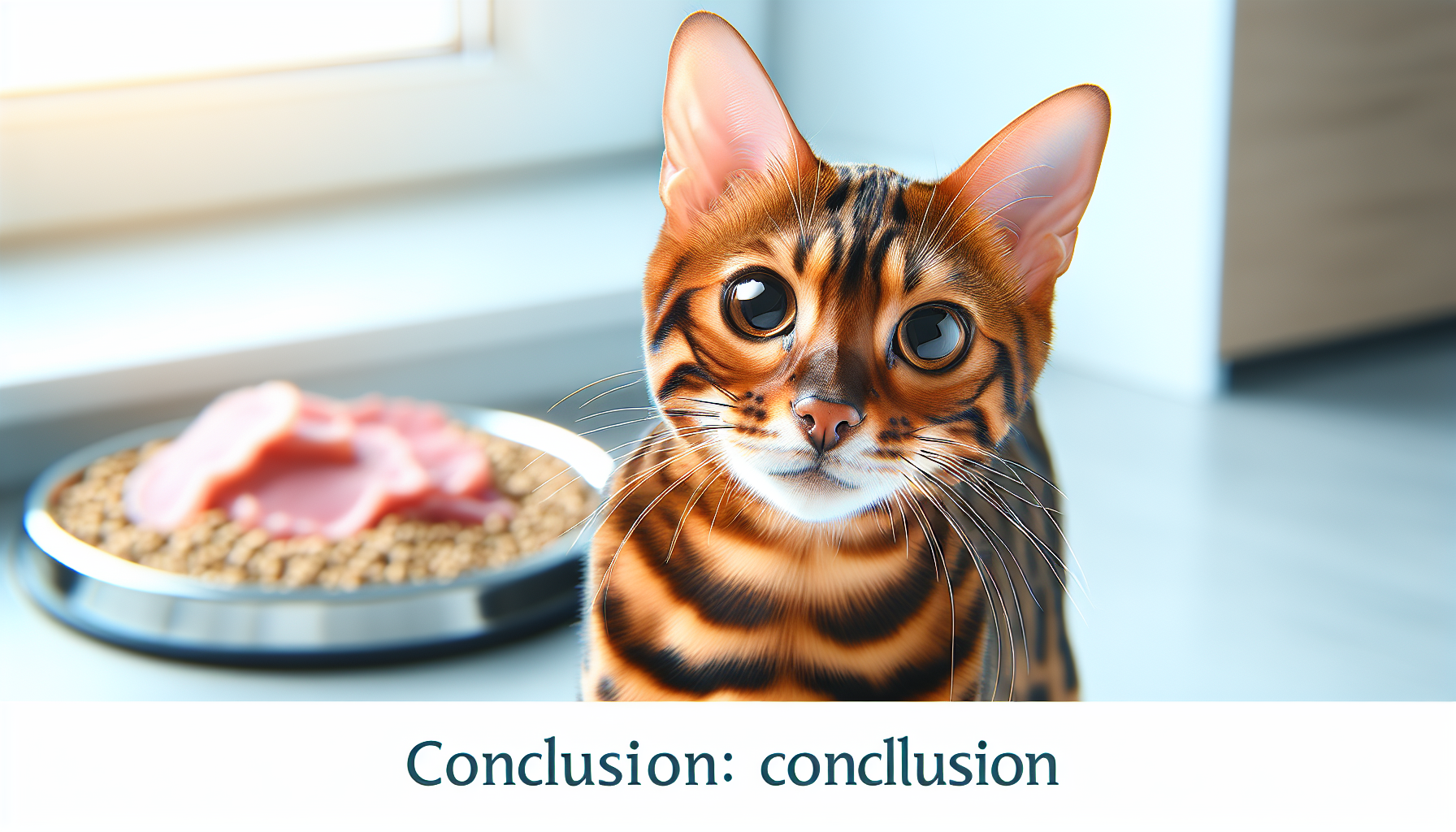
Providing your Bengal cat with the right diet is one of the most important aspects of cat care. By focusing on high-quality proteins, ensuring proper hydration, and avoiding unnecessary fillers, you can help your Bengal stay healthy and vibrant. Remember that every cat is unique, so pay attention to your Bengal’s specific needs and adjust their diet accordingly. With these tips and a little bit of love, you can ensure your Bengal lives a long, happy, and healthy life.