Understanding Your Maine Coon’s Nutritional Needs: A Complete Feeding Guide
As a Maine Coon owner, watching your feline friend grow, thrive, and purr contently is one of life’s simple pleasures. These gentle giants are not only known for their impressive size and tufted ears but also for their delightful personalities. However, understanding their unique nutritional needs is crucial to ensuring their long-term health and happiness. Whether you’re a new cat parent or have been sharing your home with a Maine Coon for years, this feeding guide will help you provide the best possible care for your beloved companion.
Feeding a Maine Coon is not just about filling a bowl with kibble. Like all cats, Maine Coons have specific dietary requirements that help maintain their health. However, their large size and playful nature mean they might need a bit more attention to detail in their diet. From selecting the right food to determining portion sizes, this guide is here to help you navigate the ins and outs of Maine Coon nutrition with ease and confidence. So, let’s dive into the world of cat care and explore how you can keep your Maine Coon healthy and happy through proper nutrition.
Key Takeaways
- Maine Coons require a high-protein, low-carbohydrate diet.
- Portion control is essential to prevent obesity.
- Hydration is crucial; consider a mix of wet and dry food.
- Regular veterinary check-ups can help adjust dietary needs.
- Understanding dietary needs at various life stages is important.
Main Content Section 1
Maine Coons, with their majestic appearance and friendly demeanor, are a unique breed that captivates many cat enthusiasts. Their nutritional needs are equally distinct due to their larger size and more active lifestyle compared to other breeds. A Maine Coon’s diet should primarily be rich in high-quality protein, which supports their muscle mass and energy levels. Protein sources such as chicken, turkey, and fish are excellent choices for these cats, as they provide the necessary amino acids that are essential for maintaining healthy skin, fur, and overall vitality.
Carbohydrates, while not entirely avoidable, should be kept to a minimum in a Maine Coon’s diet. Cats are obligate carnivores, which means their bodies are designed to process proteins more efficiently than carbohydrates. Too many carbs can lead to weight gain and other health issues, so it’s important to choose cat foods that list animal protein as the first ingredient. Additionally, fats are an important energy source and should be included in moderation. Omega-3 and Omega-6 fatty acids, found in fish oils, are particularly beneficial for maintaining a shiny coat and healthy skin.
Main Content Section 2
As a Maine Coon owner, it’s vital to monitor portion sizes to prevent obesity, a common issue in larger cat breeds. Overfeeding can lead to excessive weight gain, which in turn can cause joint problems and other health concerns. It’s essential to follow feeding guidelines provided by cat food manufacturers, but these should be adjusted based on your cat’s age, weight, and activity level. Regular physical activity, such as playtime and interactive toys, can also help keep your Maine Coon fit and healthy.
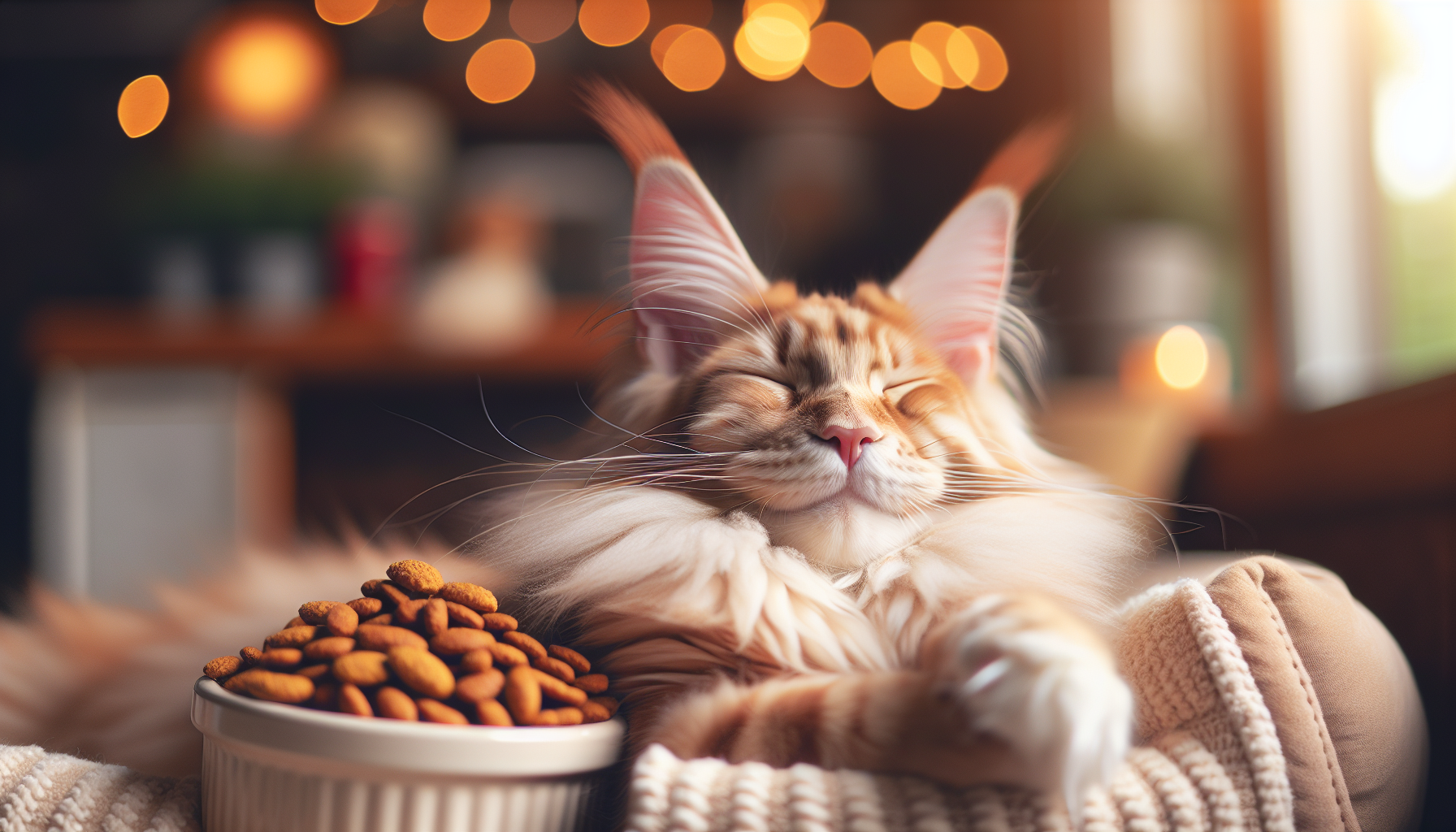
Hydration is another critical aspect of cat health and should not be overlooked. Maine Coons, like all cats, can be prone to urinary tract issues if they do not drink enough water. Incorporating wet food into their diet can help increase their water intake. Wet food not only provides essential hydration but also tends to be more palatable, making it a favorite among many cats. Always ensure that your Maine Coon has access to fresh, clean water at all times to encourage proper hydration.
Step-by-Step Guide
- Consult with your veterinarian to understand your Maine Coon’s specific dietary needs.
- Choose a high-quality cat food that lists animal protein as the first ingredient.
- Determine the appropriate portion size based on your cat’s age, weight, and activity level.
- Incorporate a mix of wet and dry food to ensure adequate hydration and nutrient intake.
- Regularly monitor your Maine Coon’s weight and adjust feeding amounts as necessary.
- Provide fresh water daily and encourage your cat to stay hydrated.
- Schedule regular veterinary check-ups to keep track of your cat’s health and dietary needs.
Pro Tips
- Introduce new foods gradually to avoid digestive upset.
- Use puzzle feeders to stimulate your cat’s mind and slow down feeding.
- Consider seasonal dietary adjustments if your cat’s activity levels change.
- Keep an eye out for food allergies and consult your vet if you notice any unusual symptoms.
- Mix in a small amount of water with dry food to increase moisture intake.
Common Mistakes to Avoid
- Feeding your Maine Coon a diet high in carbohydrates.
- Ignoring portion control and allowing free-feeding.
- Neglecting regular vet visits for dietary assessments.
- Overlooking the importance of hydration in your cat’s diet.
- Skipping the transition phase when switching to a new food brand.
Frequently Asked Questions
- What is the ideal protein content for a Maine Coon’s diet?
- A diet with at least 30-40% protein content is ideal for Maine Coons to support their large muscle mass and energy needs.
- Can I feed my Maine Coon a raw diet?
- Yes, but it should be carefully balanced and prepared to ensure all nutritional needs are met. Consulting with a veterinarian is advisable before starting a raw diet.
- How often should I feed my Maine Coon?
- Adult Maine Coons typically benefit from two meals per day. Kittens may require more frequent feeding due to their growing needs.
- Is it okay to give my Maine Coon treats?
- Treats can be given in moderation but should not exceed more than 10% of your cat’s daily caloric intake to prevent weight gain.
- Why is my Maine Coon not drinking enough water?
- Some cats prefer running water or are more inclined to drink after meals. Consider using a cat water fountain or adding wet food to increase fluid intake.
Conclusion
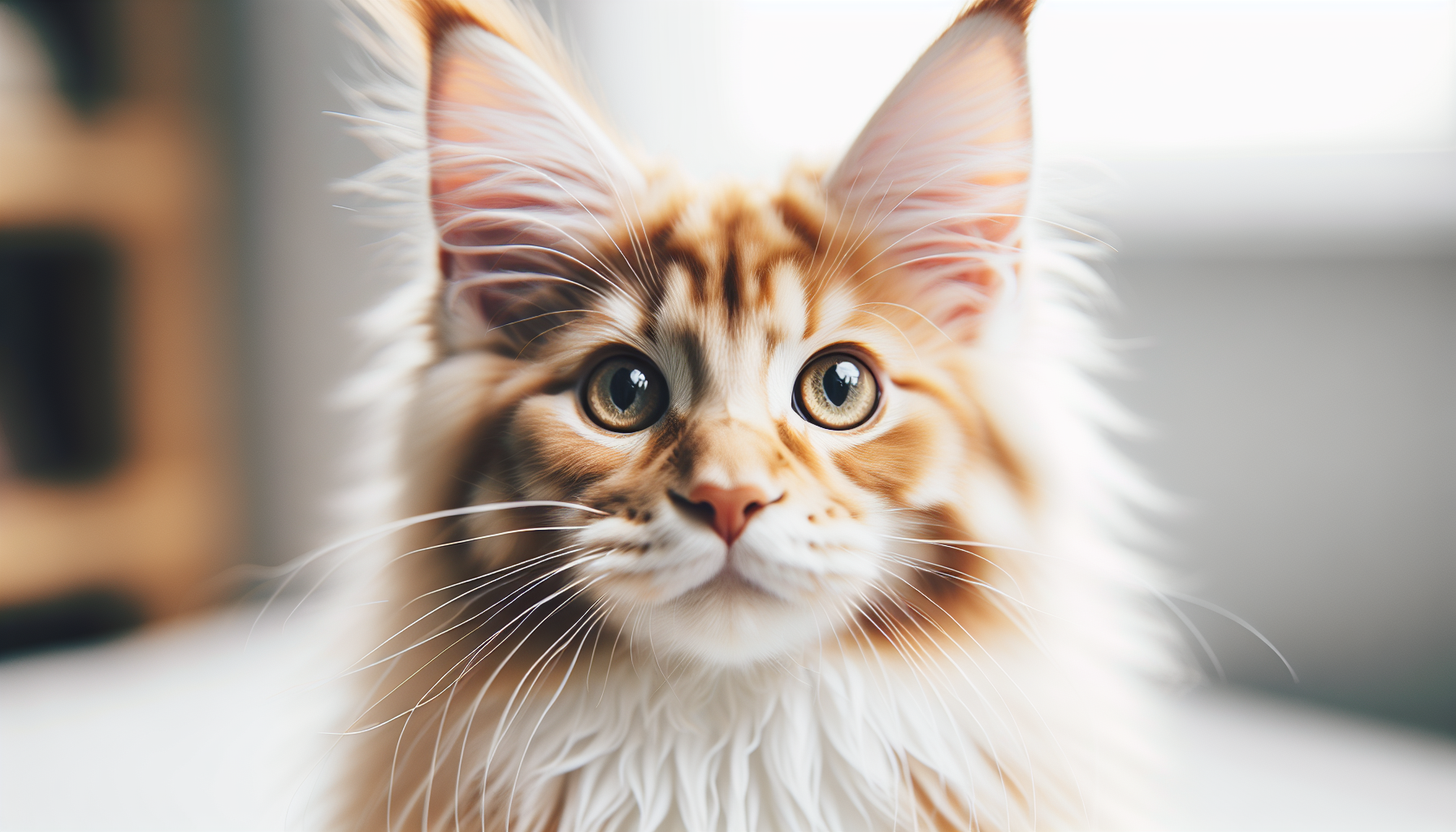
Understanding your Maine Coon’s nutritional needs is a key aspect of responsible cat care. By providing a balanced diet, monitoring portion sizes, and ensuring adequate hydration, you can contribute to your cat’s overall health and well-being. Remember, each cat is unique, so it’s important to observe your Maine Coon’s behavior and consult with a veterinarian to tailor their diet accordingly. With the right nutrition and love, your Maine Coon will thrive and be a joyful member of your family for years to come.