
Understanding Turkish Angora Cats: Health Tips and Grooming Essentials
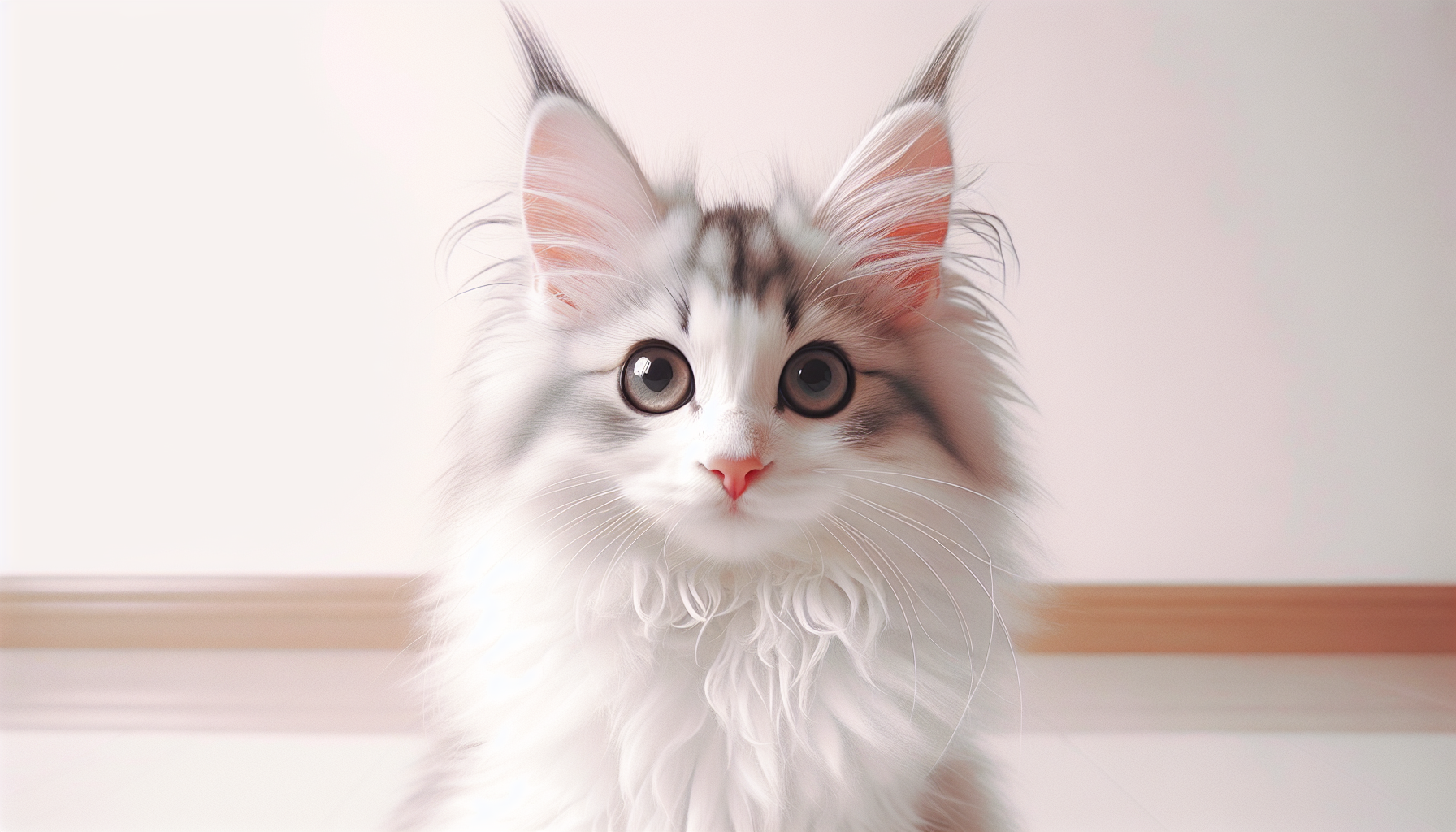
Welcome to the enchanting world of Turkish Angora cats! Known for their silky, flowing coats and striking almond-shaped eyes, these cats are not only a vision to behold but also a joy to own. If you’re a cat enthusiast or a first-time cat owner, you might find yourself captivated by the Turkish Angora’s graceful presence and playful antics. However, owning one of these majestic creatures comes with specific responsibilities. Understanding their unique health needs and grooming essentials is crucial to ensuring they lead a happy and healthy life.
As someone who’s been a cat lover for years, I can tell you that each feline has its quirks and charms, and the Turkish Angora is no exception. Whether you’re considering adopting one or already have a Turkish Angora lounging at home, it’s essential to be well-informed about their specific care requirements. This article is designed to provide you with comprehensive insights into maintaining your Turkish Angora’s health and grooming them to perfection. Let’s dive in and explore the fascinating world of Turkish Angora cat care, health, and owner tips, so you can be the best pet parent possible.
Key Takeaways
- Turkish Angoras are known for their silky coats and require regular grooming to prevent matting.
- Maintaining a balanced diet is crucial for their health and well-being.
- Regular vet check-ups can help catch potential health issues early.
- These cats are active and require ample playtime and mental stimulation.
- Understanding their behavior and needs will enhance your relationship with them.
Main Content Section 1: Understanding Turkish Angora Health
Turkish Angoras are generally healthy cats, but like all breeds, they are prone to specific health issues. One common concern is hypertrophic cardiomyopathy, a heart condition also seen in other breeds. Regular vet visits are essential to monitor their heart health. Early detection can make a significant difference in managing this condition. Additionally, Turkish Angoras can be prone to deafness, particularly those with white coats and blue eyes. It’s important to get your cat’s hearing checked to ensure they are living comfortably.
A balanced diet is paramount for maintaining their health. Turkish Angoras are active cats, requiring a high-protein diet to support their energy levels. Always opt for high-quality cat food that lists meat as the primary ingredient. Avoid fillers like corn and wheat, which provide little nutritional value. Fresh water should be available at all times to keep them hydrated and support kidney function. Additionally, be mindful of their weight, as obesity can lead to other health issues.
Main Content Section 2: Grooming Essentials for Turkish Angoras
One of the most notable features of Turkish Angoras is their luxurious coat, which requires regular grooming to keep it looking its best. Despite their long hair, Turkish Angoras have a single coat, meaning they don’t have an undercoat. This makes them less prone to matting compared to other long-haired breeds, but regular brushing is still essential. Aim to brush your Angora at least twice a week to remove loose hair and prevent tangles.
Bathing your Turkish Angora is generally not necessary unless they get into something dirty. However, introducing them to water early on can make occasional baths more manageable. When it comes to grooming, don’t forget about dental care. Regular tooth brushing can prevent dental diseases, which are common in cats. Use a cat-specific toothbrush and paste to keep their teeth and gums healthy.
Step-by-Step Guide: Grooming Your Turkish Angora
- Start by selecting a suitable brush, such as a slicker brush, for their delicate coat.
- Gently brush from head to tail, focusing on areas where tangles are more likely to form.
- Check for any signs of ticks or fleas during grooming sessions.
- Trim their nails regularly to prevent overgrowth and discomfort.
- Clean their ears with a vet-recommended solution to prevent infections.
- If bathing, use a gentle, cat-safe shampoo and rinse thoroughly.

Pro Tips
- Introduce grooming tools early to your Turkish Angora to make the process stress-free.
- Incorporate playtime into your grooming routine to help them burn off energy.
- Use treats as positive reinforcement during grooming sessions.
- Invest in interactive toys to keep your Angora mentally stimulated.
- Consider regular professional grooming for thorough care.
Common Mistakes to Avoid
- Neglecting regular grooming can lead to matting and discomfort for your cat.
- Skipping vet visits can result in unnoticed health issues.
- Feeding low-quality food can affect their overall health and energy levels.
- Overlooking dental care can lead to painful dental diseases.
- Failing to provide mental and physical stimulation can result in behavioral issues.
Frequently Asked Questions
- How often should I groom my Turkish Angora?
- It’s recommended to groom your Turkish Angora at least twice a week to prevent tangles and matting.
- Are Turkish Angoras good with children and other pets?
- Yes, Turkish Angoras are generally friendly and get along well with children and other pets, provided they are socialized early.
- What should I feed my Turkish Angora?
- A high-protein diet with quality cat food that lists meat as the primary ingredient is ideal for Turkish Angoras.
- How do I know if my Turkish Angora has a health issue?
- Look for signs such as changes in appetite, behavior, or litter box habits. Regular vet check-ups are also important for early detection.
- Do Turkish Angoras need a special kind of litter box?
- Turkish Angoras do not need a special litter box, but ensure it is clean and large enough for them to use comfortably.
Conclusion
Owning a Turkish Angora can be a rewarding experience filled with affectionate purrs and delightful playtimes. By understanding their unique health needs and grooming requirements, you can ensure that your feline friend enjoys a happy and healthy life. Remember, regular grooming, a balanced diet, and attentive health care are key components of responsible cat ownership. Embrace the journey of being a Turkish Angora parent, and you’ll be rewarded with a loyal and loving companion.