
If you’ve ever found yourself staring at your cat, trying to decipher what those twitching tails or slow blinks mean, you’re certainly not alone. Cats are fascinating creatures with a rich tapestry of body language that can sometimes seem as mysterious as they are. As cat owners, developing the skills to interpret these signals can significantly enhance our relationships with our feline friends. This understanding not only improves our communication but also enriches our cat care practices, ensuring we meet their needs more effectively.
Decoding feline body language isn’t just about knowing when your cat wants to be left alone or when it’s playtime. It’s about building a bridge of mutual understanding, where you can share a deeper bond with your furry companion. Many cat owners find that once they start paying attention to these subtle cues, they can prevent misunderstandings and create a more harmonious environment at home. So, whether your cat is purring by your side or giving you the cold shoulder, there’s always a reason behind their behavior. Let’s dive into the world of feline communication and discover how to better understand our cats.
Key Takeaways
- Cats communicate extensively through their body language, which can indicate mood and health status.
- Understanding your cat’s non-verbal cues can greatly enhance your relationship and improve their overall wellbeing.
- Common signs of contentment include purring, kneading, and slow blinking.
- Signs of stress or discomfort can include a flicking tail, flattened ears, or hissing.
- Interpreting your cat’s signals can help prevent behavioral issues and improve cat care practices.
Main Content Section 1
Cats are naturally elegant and expressive animals, often communicating more through their bodies than through vocalization. One of the most common forms of feline communication is the tail. A cat’s tail can tell you a lot about their current mood. For instance, a high, straight tail often signifies happiness and confidence, while a low tail might indicate fear or submission. A puffed-up tail typically signals that your cat is frightened or agitated, ready to defend themselves if necessary.
Another important aspect of feline body language is their ears. Cats have incredibly expressive ears that can rotate independently to pick up sounds. Erect ears facing forward usually mean your cat is alert and interested in what’s happening around them. However, if their ears are flattened against their head, it could be a sign of fear, anxiety, or aggression. Observing how your cat’s ears move in different situations can provide valuable insights into their emotional state.
One of the most endearing aspects of feline behavior is kneading. Many cats display this behavior when they’re comfortable and content, often accompanied by purring. Kneading often harkens back to kittenhood, when kittens knead their mother’s belly to stimulate milk flow. Seeing your cat knead can be a reassuring indicator that they feel secure and happy in their environment.
Main Content Section 2
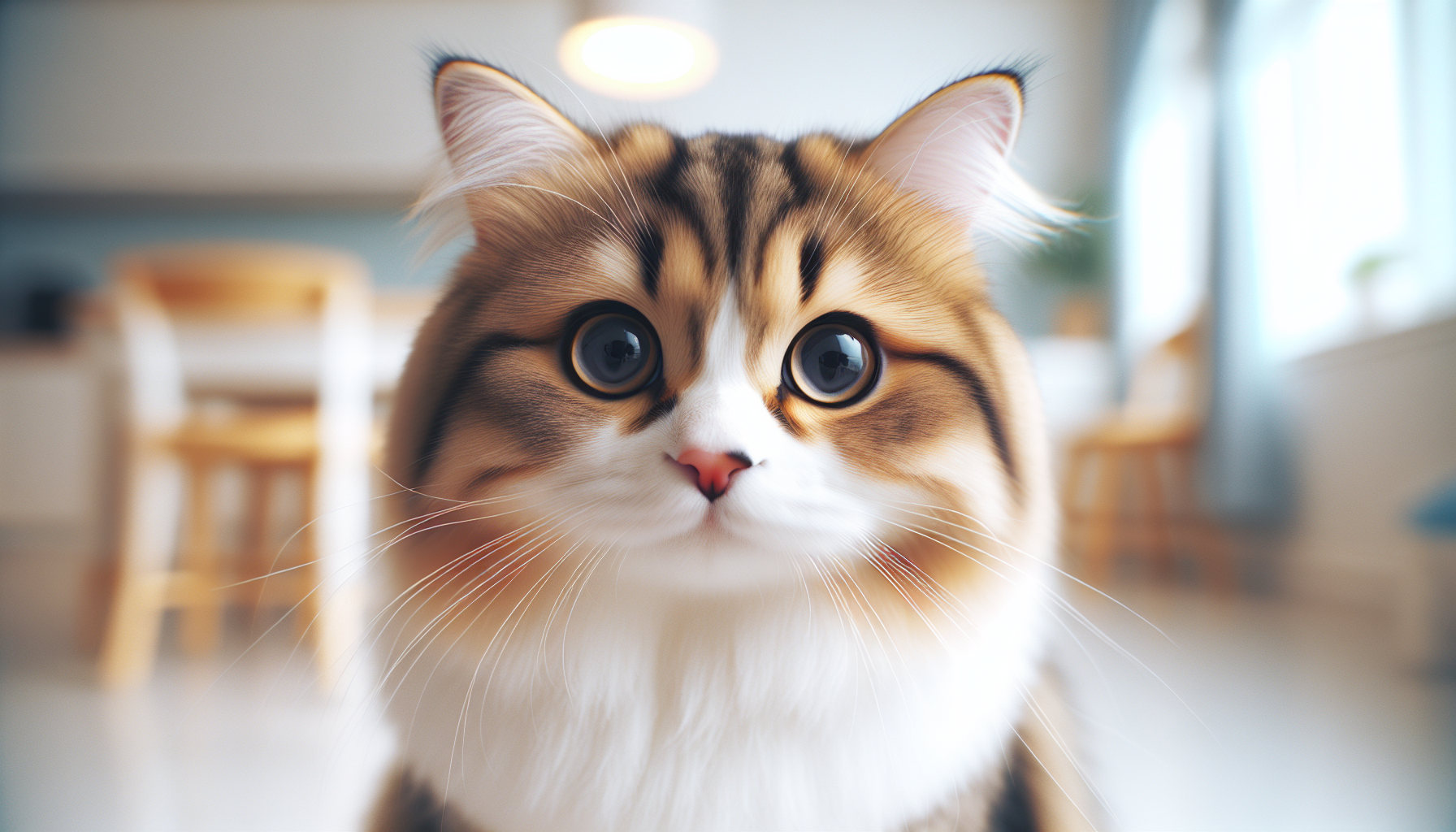
Facial expressions are another critical component of feline body language. A relaxed cat will have soft, open eyes, sometimes engaging in the famous “slow blink” that many cat owners cherish as a sign of trust and affection. Conversely, dilated pupils can indicate excitement or fear, depending on the context. If your cat’s eyes are narrowed and their whiskers are pulled back, it may be a sign they’re feeling threatened or annoyed.
Vocalizations, while not strictly body language, often accompany specific body signals to reinforce your cat’s message. A meow can range from a cheerful greeting to a demand for attention, while a growl or hiss is a clear warning to back off. Understanding the context of these sounds alongside their body language can give you a comprehensive view of what your cat is trying to communicate.
Observing your cat’s posture can also provide insight into their feelings. A cat lying on its back with its belly exposed is often a sign of trust and comfort, though it doesn’t always mean they want belly rubs. Cats are often very protective of their bellies, so suddenly rubbing them may not be well received. On the other hand, a crouched position with tense muscles and a tucked-in tail is a classic sign of fear or anxiety.
Step-by-Step Guide
- Observe your cat’s tail position and movement. This is a primary indicator of their mood.
- Pay attention to their ear orientation. Ears forward usually mean curiosity or interest, while flattened ears can signal distress.
- Notice their eye expressions. Soft, slow blinking indicates trust, while wide eyes with dilated pupils can signify stress or excitement.
- Listen to their vocal cues. Different meows and purrs have different meanings depending on the context.
- Watch their overall body posture to understand their comfort level.

Pro Tips
- Spend time observing your cat in various situations to better understand their unique communication style.
- Use a calm and gentle voice when responding to your cat’s cues to reinforce a positive environment.
- Encourage positive behavior with treats and affection to strengthen your bond.
- Regularly engage in playtime to build trust and understanding.
- Consult a veterinarian if you notice sudden changes in behavior, as this might indicate health issues.
Common Mistakes to Avoid
- Ignoring your cat’s body language and pushing interactions when they want to be left alone.
- Misinterpreting a cat’s belly exposure as an invitation for petting.
- Missing signs of discomfort or stress, which could lead to behavioral issues.
- Assuming all cats communicate in the same way; each cat has unique signals and preferences.
- Neglecting to consider environmental factors that might influence your cat’s behavior.
Frequently Asked Questions
- Why does my cat purr and then suddenly bite me?
- This behavior is often referred to as “overstimulation.” While purring indicates contentment, your cat may suddenly feel overwhelmed or irritated, resulting in a bite. Pay attention to their body language to gauge when they’ve had enough petting.
- What does it mean when my cat’s tail twitches?
- A twitching tail can indicate irritation, excitement, or a heightened state of alertness. It’s essential to consider the overall context and other body signals to determine the exact cause.
- Why does my cat knead on me?
- Kneading is a sign of comfort and trust. It’s a behavior rooted in kittenhood when they knead their mother to stimulate milk flow. Your cat sees you as a source of comfort and security.
- How can I tell if my cat is happy?
- Signs of a happy cat include a high, relaxed tail, soft eyes with slow blinking, purring, and a willingness to engage in play. Regular grooming and a good appetite are also positive indicators.
- Is it normal for my cat to hiss at new people or pets?
- Yes, hissing is a natural response to perceived threats or unfamiliar situations. It’s best to give your cat space and introduce new people or animals gradually to reduce stress.
Conclusion
Understanding your cat’s body language is a rewarding journey that can lead to a richer, more fulfilling relationship with your feline companion. By paying close attention to their non-verbal cues, you can enhance your cat care practices and ensure a happy, healthy environment for your pet. Remember, every cat is unique, and getting to know their specific signals takes time and patience. With these insights, you’ll be well on your way to becoming a more attuned and empathetic cat owner, capable of providing your furry friend with the love and care they deserve.