
As our beloved feline friends age, their nutritional needs change, and it’s up to us as responsible cat owners to ensure they receive the best care possible. Just like humans, senior cats require a diet that supports their aging bodies, helps maintain their health, and keeps them happy and active. Choosing the right food for your senior cat can seem overwhelming with so many options on the market. But don’t worry, I’ve got you covered with this comprehensive guide that will make the decision process as smooth as a purr.
In this ultimate guide, we’ll explore everything you need to know about feeding your senior cat. From understanding the specific dietary requirements of older cats to identifying the best ingredients that promote longevity and vitality, we’ll cover it all. Whether you’re a seasoned cat parent or new to the world of senior cat care, this guide is packed with insights and practical tips to ensure your furry companion lives their golden years to the fullest.
So, grab a cup of tea, snuggle up with your cat, and let’s dive into the world of senior cat nutrition. Together, we’ll explore how to choose the best food to support your cat’s health and longevity.
Key Takeaways
- Senior cats have unique nutritional needs that differ from younger cats.
- High-quality protein, moderate fat, and low carbohydrates are essential for senior cat diets.
- Look for foods that contain antioxidants, omega-3 fatty acids, and joint-supporting nutrients.
- Consult with your veterinarian to tailor a diet specifically for your senior cat’s health needs.
- Avoid common mistakes like overfeeding or choosing low-quality food options.
Main Content Section 1
As cats age, their metabolism slows down, and their activity levels often decrease, which means their dietary needs also change. A senior cat, typically considered to be over the age of 7, requires a diet that supports a healthy weight, maintains muscle mass, and addresses any age-related health concerns. This is where the importance of high-quality protein comes in. Protein helps maintain muscle mass, which is crucial for older cats who may be losing muscle tone over time.
In addition to protein, senior cats benefit from a diet that includes moderate fat content. While fat provides essential fatty acids and helps with the absorption of fat-soluble vitamins, too much can lead to weight gain, which is a common issue in less active senior cats. Additionally, low carbohydrate content is preferable, as cats are obligate carnivores and their bodies are not designed to process high amounts of carbohydrates.
Furthermore, senior cats often benefit from added nutrients like omega-3 fatty acids, which support joint health and reduce inflammation. Antioxidants are also vital as they help combat free radicals and support overall immune health. Finding a balanced formula that incorporates these elements is key to promoting longevity and vitality in your senior cat.
Main Content Section 2
When choosing the best food for your senior cat, it’s essential to consider their individual health needs. For example, if your cat has kidney issues, a diet lower in phosphorus and protein may be recommended. Conversely, if your cat struggles with weight management, you might opt for a calorie-controlled diet with added fiber to help them feel full longer.
It’s also worth noting that wet food can be beneficial for senior cats, as it helps with hydration, which is particularly important if your cat is prone to urinary tract issues. Wet food also tends to be more palatable, which can be useful if your senior cat is experiencing a reduced appetite. However, if your cat prefers dry food, ensure it’s high quality and formulated specifically for senior cats.
Consulting with your veterinarian is vital in tailoring a diet to your cat’s specific needs. They can provide insights into any medical concerns your cat might face and recommend the best dietary solutions. Additionally, they can guide you on how to gradually transition your cat to a new diet to avoid digestive upset.
Step-by-Step Guide
- Consult with your veterinarian to assess your cat’s health and dietary needs.
- Research and select high-quality senior cat food brands that meet your cat’s specific needs.
- Read labels carefully to ensure the food is rich in protein and low in carbohydrates.
- Introduce the new food gradually by mixing it with your cat’s current food over a week.
- Monitor your cat’s response to the new diet, adjusting as necessary based on their health and activity.
- Check your cat’s weight regularly and consult your vet if you notice any significant changes.
- Ensure your cat has access to fresh water at all times to support hydration.

Pro Tips
- Consider supplementing with vitamins or minerals if recommended by your vet.
- Introduce new foods slowly to avoid stomach upset.
- Offer smaller, more frequent meals to aid digestion.
- Keep an eye on your cat’s litter box for any changes that could indicate dietary issues.
- Always keep your veterinarian informed about any dietary changes.
Common Mistakes to Avoid
- Feeding your cat food formulated for younger cats.
- Neglecting to read ingredient labels carefully.
- Overfeeding or free feeding, leading to obesity.
- Not consulting with a veterinarian for dietary advice.
- Ignoring changes in your cat’s eating habits or weight.
Frequently Asked Questions
- What is the best type of food for a senior cat?
- The best food for a senior cat is one that is high in quality protein, moderate in fat, low in carbohydrates, and includes added nutrients like omega-3 fatty acids and antioxidants.
- How often should I feed my senior cat?
- Senior cats typically do well with two to three smaller meals per day, but this can vary based on your cat’s specific health needs and your vet’s recommendations.
- Can senior cats eat dry food?
- Yes, senior cats can eat dry food; however, it should be high quality and formulated for senior cats. Ensure your cat stays hydrated and monitor their dental health regularly.
- How can I tell if my senior cat is overweight?
- You can assess your cat’s weight by gently feeling their ribs. You should be able to feel them without excess fat covering them. A vet can provide a more accurate assessment.
- Should I give my senior cat supplements?
- Supplements can be beneficial, but it’s essential to consult with your veterinarian before adding anything to your cat’s diet to ensure it’s safe and necessary.
Conclusion
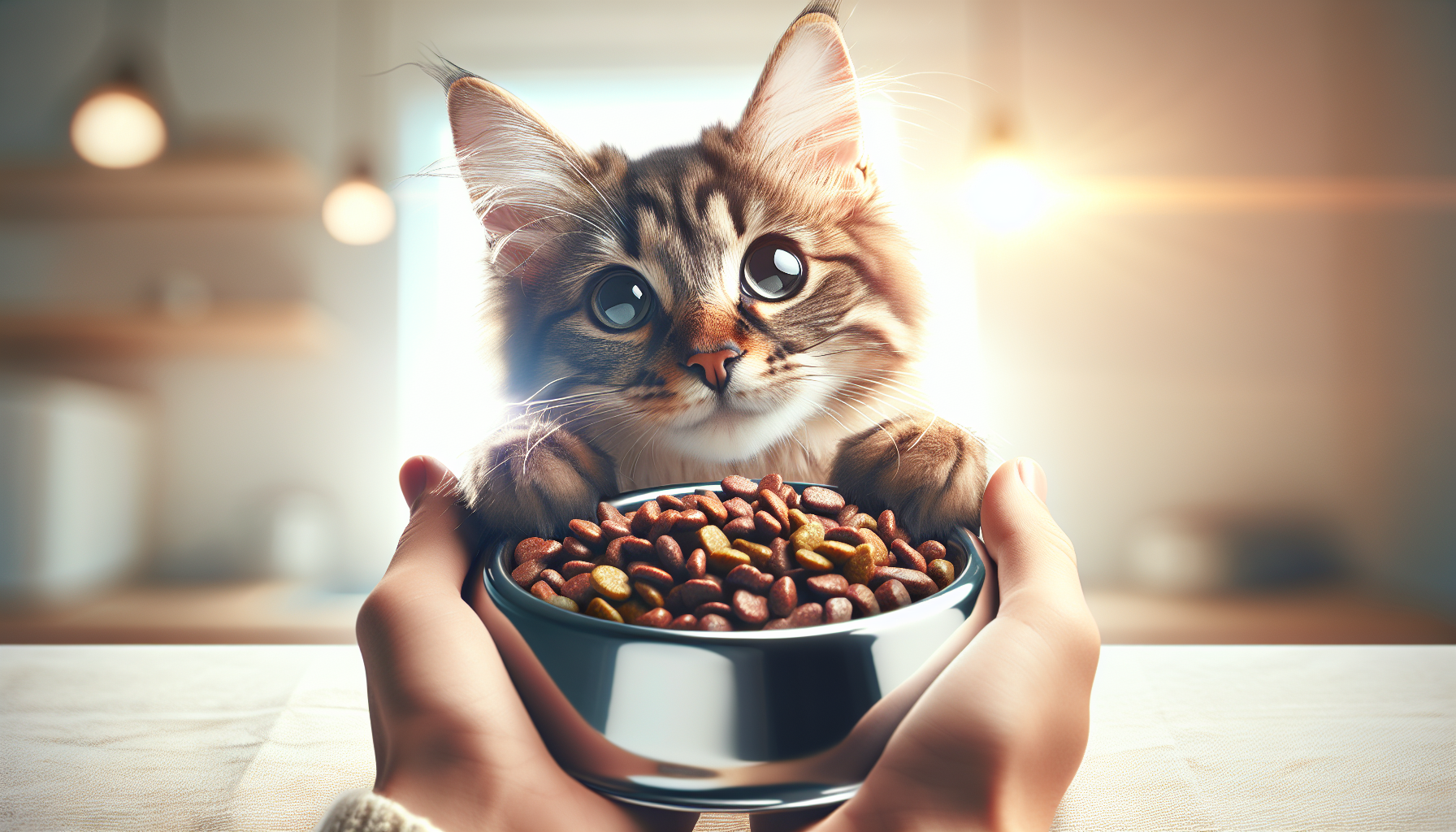
Feeding your senior cat the right diet is one of the most impactful ways to support their health and longevity. By understanding their unique nutritional needs and choosing high-quality food tailored to these needs, you can help your feline friend enjoy their senior years with vigor and happiness. Remember, the key to successful cat care is ongoing monitoring and regular consultations with your veterinarian. With the right approach, your senior cat can continue to be your loving companion for many more years to come.