
As a cat owner, you know how precious your feline friend is. They bring joy, comfort, and companionship into our lives. However, just like humans, cats can face health challenges, and one of the most prevalent issues today is feline obesity. Managing your cat’s weight is crucial for their overall well-being and longevity. If you’re concerned about your cat’s weight or simply want to ensure they maintain a healthy lifestyle, you’re in the right place.
In this guide, we’ll explore everything you need to know about feline obesity. From understanding the causes and risks to implementing effective management strategies, we’ll cover it all. You’ll find practical cat care tips and expert advice to help your furry friend achieve and maintain a healthy weight. So, let’s dive into the world of cat health and discover how to keep your kitty in tip-top shape!
Key Takeaways
- Feline obesity is a common issue that can lead to various health problems.
- A balanced diet and regular exercise are crucial for managing your cat’s weight.
- Monitoring your cat’s weight and body condition is essential for early intervention.
- Consulting with a veterinarian can provide personalized guidance for your cat’s health.
- Small changes in lifestyle and diet can make a significant difference in your cat’s weight.
Main Content Section 1
Feline obesity is more than just extra pounds; it’s a serious health concern that can have far-reaching effects on your cat’s life. Obesity increases the risk of diabetes, joint problems, liver disease, and even a shortened lifespan. Understanding the causes of obesity is the first step in managing it. Common causes include overfeeding, lack of exercise, and certain medical conditions.
As a cat owner, it’s vital to recognize the signs of obesity. These can include difficulty in feeling your cat’s ribs, a noticeable layer of fat over the ribs and back, and a sagging belly. If you suspect your cat might be overweight, it’s crucial to consult with a veterinarian. They can assess your cat’s body condition and provide guidance on the ideal weight for your pet.
Main Content Section 2
Managing your cat’s weight involves a combination of diet, exercise, and regular monitoring. Start by evaluating your cat’s current diet. Are they eating a balanced and nutritious cat food? Portion control is key. Many cat owners unintentionally overfeed by not measuring portions. A good rule of thumb is to follow the feeding guidelines on your cat food packaging and adjust as needed based on your veterinarian’s advice.
Incorporate regular exercise into your cat’s routine. Cats are natural hunters and enjoy activities that mimic hunting, such as chasing toys or using interactive feeders. Even short play sessions a few times a day can significantly contribute to weight loss and overall health. Remember, the goal is to keep your cat active and engaged.
Step-by-Step Guide
- Consult Your Vet: Before starting any weight management program, get a professional assessment of your cat’s health.
- Set Realistic Goals: Work with your vet to set achievable weight loss goals for your cat.
- Choose the Right Food: Select a high-quality, balanced diet that meets your cat’s nutritional needs.
- Measure Portions: Use a measuring cup to ensure accurate portion sizes for each meal.
- Encourage Exercise: Engage your cat with toys and activities that promote physical activity.
- Monitor Progress: Regularly weigh your cat and adjust their diet and exercise plan as needed.
- Stay Consistent: Consistency is key to achieving and maintaining a healthy weight for your cat.

Pro Tips
- Introduce new foods gradually to avoid digestive upset.
- Use treat toys to make feeding time more interactive and stimulating.
- Consider a puzzle feeder to slow down fast eaters and encourage mental stimulation.
- Schedule regular vet check-ups to monitor your cat’s health progress.
- Keep a weight journal to track your cat’s progress and identify patterns.
Common Mistakes to Avoid
- Avoid free-feeding, which can lead to overeating.
- Don’t rely solely on treats for training or rewarding your cat.
- Never put your cat on a diet without consulting a veterinarian.
- Avoid sudden changes in diet or activity levels, which can stress your cat.
- Don’t ignore signs of weight gain or health issues related to obesity.
Frequently Asked Questions
- What is the ideal weight for my cat?
- The ideal weight varies depending on the breed and age of your cat. Consult with your vet for personalized advice.
- How can I tell if my cat is overweight?
- Signs include difficulty feeling ribs, a sagging belly, and reduced activity levels. A vet can provide a thorough assessment.
- What type of diet should I feed my overweight cat?
- Opt for a balanced, low-calorie diet with high-quality protein. Consult your vet for specific recommendations.
- How much exercise does my cat need?
- Aim for at least 15-20 minutes of active play daily, tailored to your cat’s interest and energy levels.
- Can treats be part of my cat’s diet?
- Yes, but they should be given in moderation and preferably as part of their daily calorie intake.
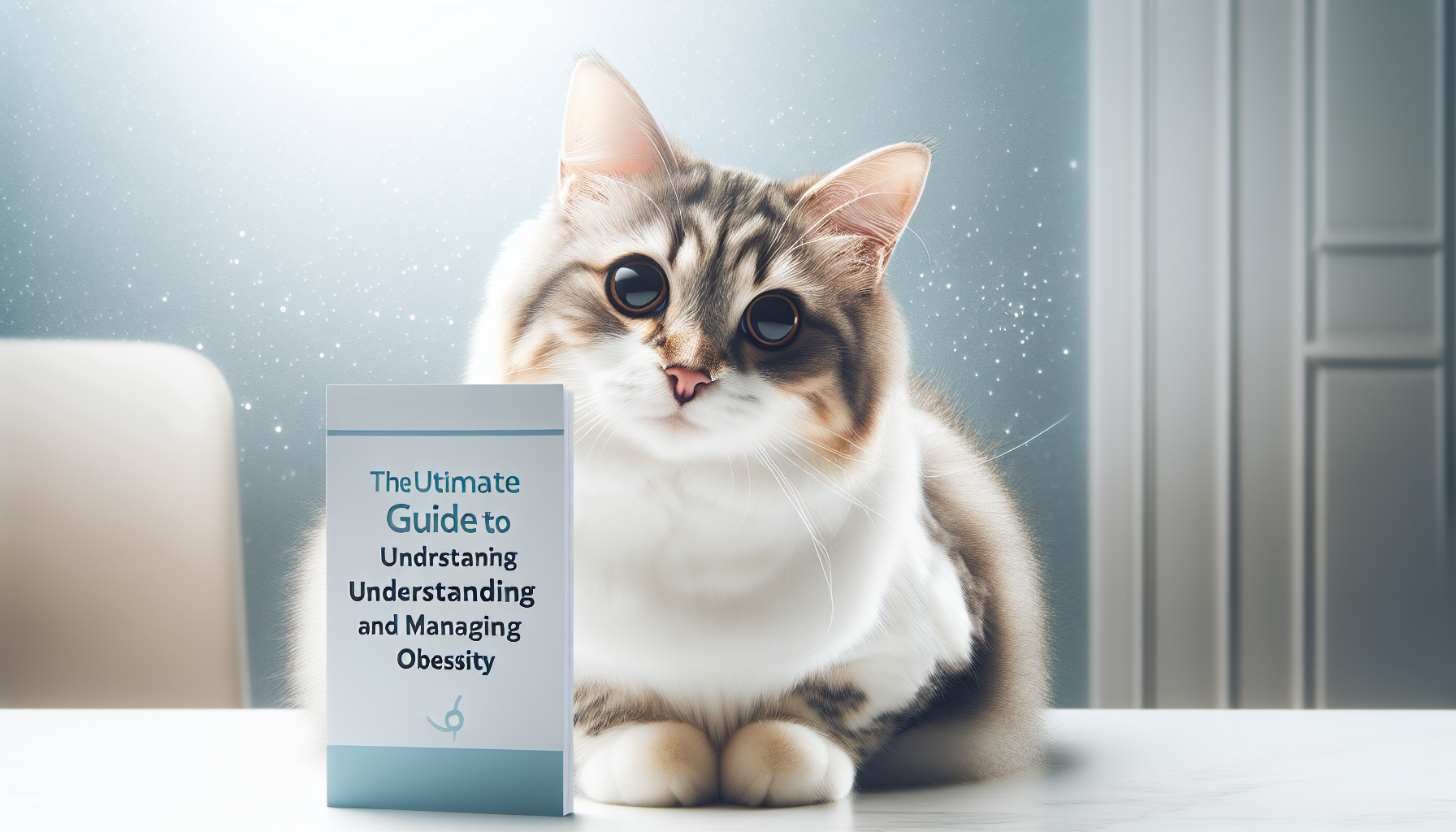
Conclusion
Feline obesity is a challenge many cat owners face, but with the right approach, it can be managed effectively. By understanding the causes and implementing a balanced diet and regular exercise, you can help your cat lead a healthier, happier life. Remember, it’s never too late to start making positive changes for your cat’s health. With patience, consistency, and love, you can guide your furry friend towards a healthier future. So, let’s commit to our cats’ well-being and give them the quality of life they deserve!