
A Vet-Inspired, Practical & Easy-to-Follow Guide
Cats don’t eat the same way their whole lives. A kitten, an adult cat, and a senior cat have very different nutritional needs, and feeding them incorrectly can lead to digestive issues, obesity, weak immunity, or long-term health problems.
This complete guide will walk you through exactly how to feed cats at every life stage, what to give them, what to avoid, and how to build healthy habits that last a lifetime.
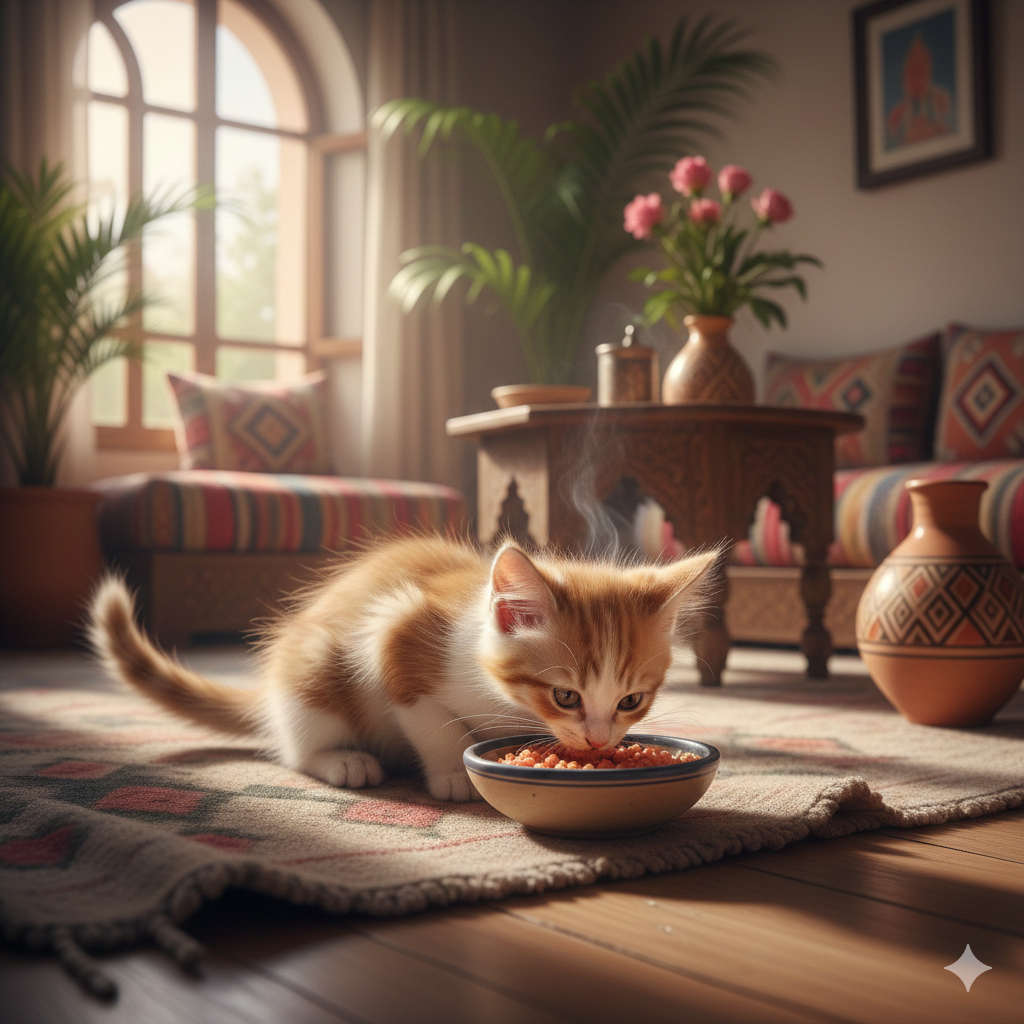
🍼 Feeding Kittens (0–12 Months)
Why kitten nutrition matters
Kittens grow incredibly fast. In their first year, they develop bones, muscles, organs, vision, and their immune system. Poor nutrition during this stage can affect them for life.
What kittens need
- High protein (for muscle and growth)
- High fat (for energy)
- DHA & omega-3 (brain and eye development)
- Calcium & phosphorus (strong bones)
What to feed kittens
- Special kitten food only (dry, wet, or mixed)
- High-quality animal protein as the first ingredient
- Soft food for very young kittens (especially under 8 weeks)
Feeding schedule
- 0–8 weeks: Mother’s milk or kitten milk replacer
- 8–12 weeks: 4 small meals per day
- 3–6 months: 3 meals per day
- 6–12 months: 2–3 meals per day
🚫 Never give cow’s milk — it causes diarrhea in most kittens.
🐱 Feeding Adult Cats (1–7 Years)
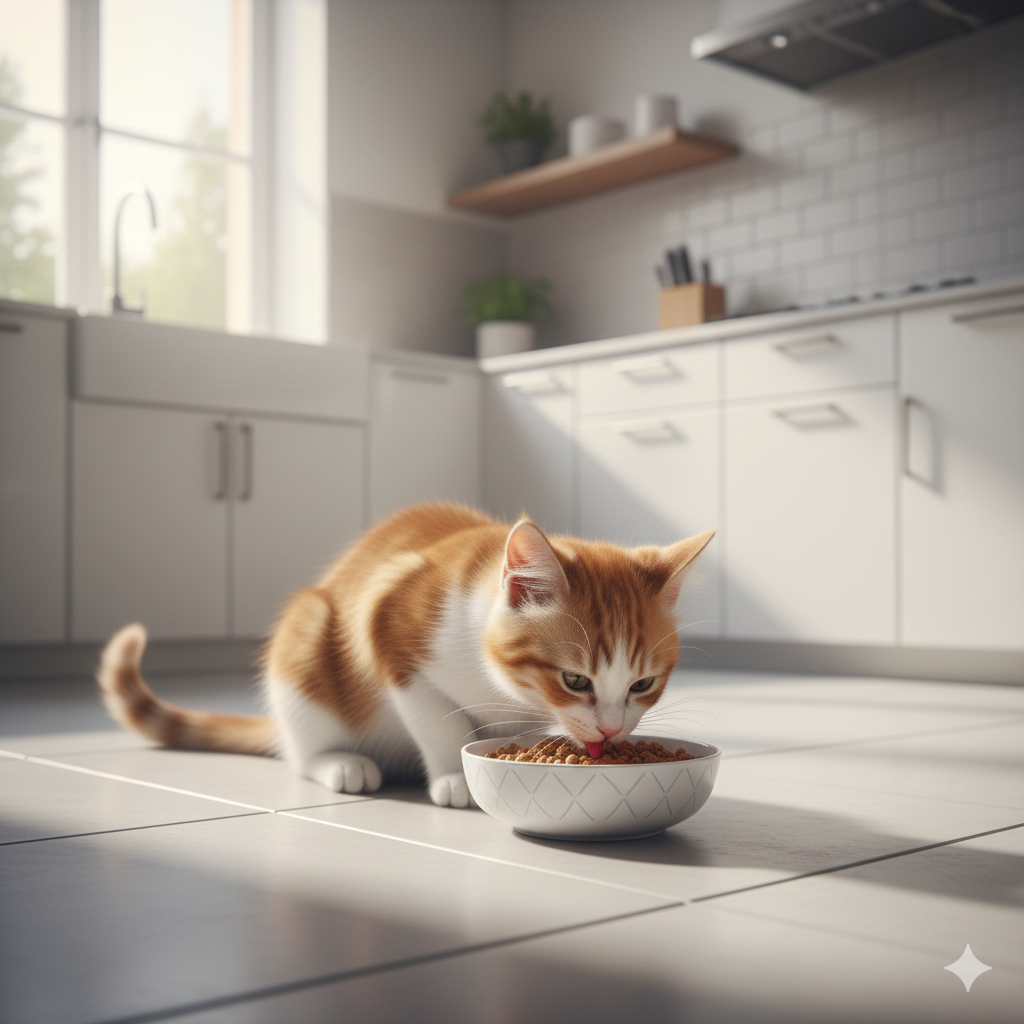
Once a cat reaches adulthood, growth slows down — but nutrition remains critical for maintaining health, weight, and energy.
What adult cats need
- High-quality protein (cats are obligate carnivores)
- Moderate fat
- Low carbohydrates
- Essential amino acids like taurine
Dry food vs wet food
Dry food (kibble):
- Convenient
- Helps dental health (slightly)
- Must be paired with enough water
Wet food:
- High moisture (great for kidneys)
- Closer to natural prey diet
- Often more palatable
✅ Best option: mix both if possible.
How much to feed
This depends on:
- Weight
- Activity level
- Indoor vs outdoor lifestyle
On average:
- 2 meals per day
- Follow the food package but adjust based on your cat’s body condition
🚫 Avoid free-feeding if your cat gains weight easily.
🧓 Feeding Senior Cats (7+ Years)
As cats age, their metabolism changes, digestion becomes slower, and they may develop kidney, dental, or joint issues.
What senior cats need
- Easier-to-digest protein
- Lower calories (if less active)
- Higher moisture
- Joint-support nutrients (glucosamine, omega-3)
Common feeding challenges
- Loss of appetite
- Dental pain
- Weight loss or gain
Best feeding practices
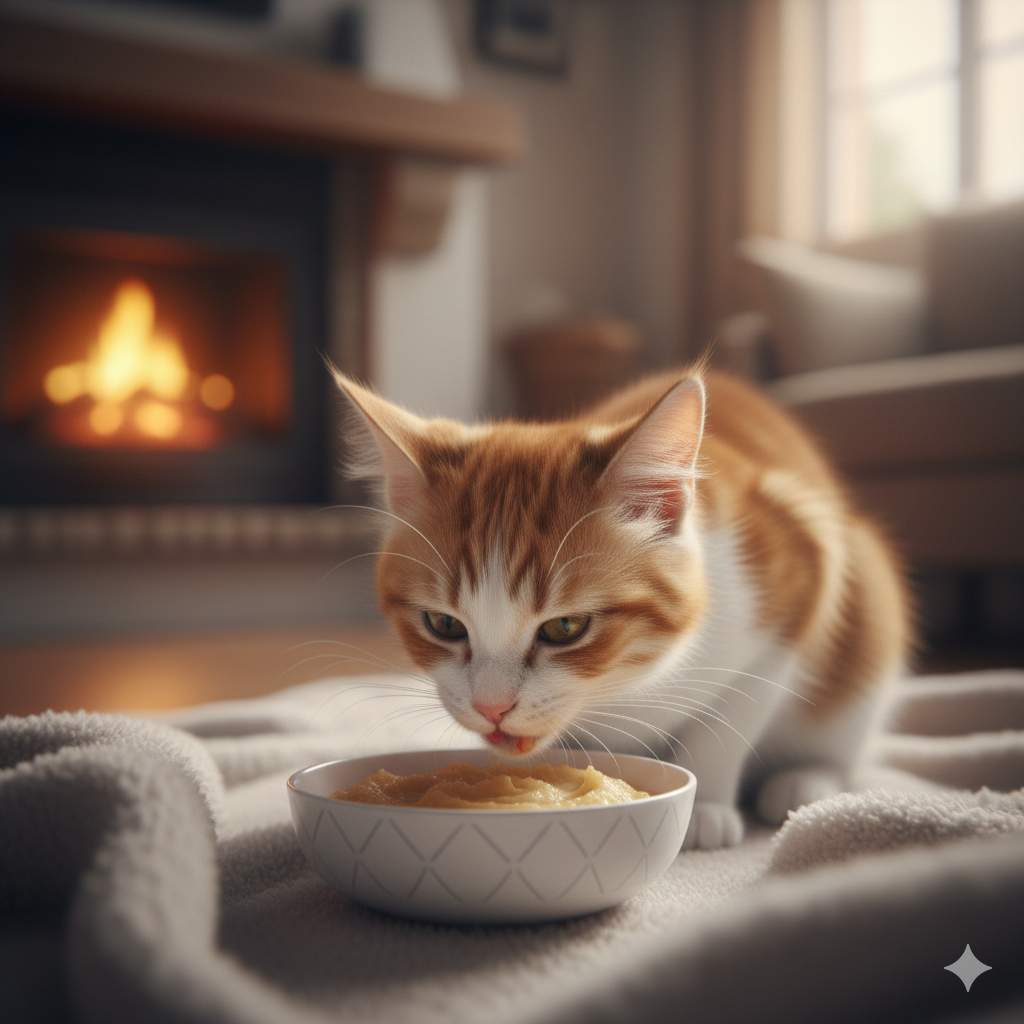
- Prefer wet or softened food
- Warm food slightly to enhance smell
- Offer smaller, more frequent meals
- Always ensure easy access to fresh water
⚠️ Sudden weight loss in senior cats is not normal — always consult a vet.
🍗 Homemade Food for Cats: Is It Safe?
Homemade cat food can be healthy only if properly balanced.
Safe homemade options (occasionally)
- Boiled chicken (no salt, no spices)
- Boiled turkey
- Cooked fish (boneless, no seasoning)
🚫 Never give:
- Onions or garlic
- Spices
- Salt
- Raw eggs
- Chocolate
- Bones
⚠️ Homemade food should never fully replace commercial cat food unless supervised by a vet.
💧 Water: The Most Overlooked Nutrient
Cats naturally drink little water, which is why kidney and urinary issues are common.
Tips to increase water intake
- Use water fountains
- Place multiple bowls around the house
- Add wet food to daily meals
- Change water daily
🚫 Foods Cats Should Never Eat
Some human foods are toxic to cats:
- Chocolate
- Onions & garlic
- Grapes & raisins
- Alcohol
- Caffeine
- Raw dough
- Spicy food
Even small amounts can be dangerous.
🐾 Final Thoughts
Feeding your cat correctly at every age is one of the most powerful ways to improve their quality of life. From energetic kittens to graceful seniors, each stage deserves care, attention, and the right nutrition.
A well-fed cat is:
- Healthier
- Happier
- More active
- And lives longer ❤️