
Skip to content
@ 2024 kity Zone
@ 2024 kity Zone
  • Home
  • Cat Raising
    • Cat Health
    • Cat Nutrition
    • Cat Safety
    • Cat Behavior
    • Kittens
  • Adoption & Rescue
    • Cat Training
    • Cat Trends
    • Breeds
    • Cat Stories
  • Products review
    • Cat Toys & Enrichment
    • DIY Cat Projects
  • About Us
@ 2024 kity Zone
  • Home
  • Cat Raising
    • Cat Health
    • Cat Nutrition
    • Cat Safety
    • Cat Behavior
    • Kittens
  • Adoption & Rescue
    • Cat Training
    • Cat Trends
    • Breeds
    • Cat Stories
  • Products review
    • Cat Toys & Enrichment
    • DIY Cat Projects
  • About Us

Cat Toys & Enrichment

Reviews and ideas for keeping your cat entertained and stimulated with the best toys and activities.

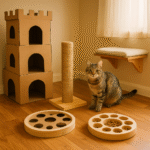
DIY Cat Enrichment Projects: How to Build a Fun and Stimulating Environment at Home
June 18, 2025 by Milo
DIY Cat Enrichment Projects: How to Build a Fun and Stimulating Environment at Home Indoor cats thrive when their natural instincts—climbing, hunting, scratching, and exploring—are engaged through creative activities. This guide shares DIY cat enrichment ideas and homemade toys for indoor cats, showing you how to build a cat playground at home without breaking the bank. You’ll learn five hands-on projects, budget-friendly supply hacks, customization tips, and rotation strategies to keep your feline friend curious and content. Why Enrichment Is Vital for Indoor Cats Behavioral and Health Benefits Reduces boredom and hidden frustration that can lead to destructive habits. Provides exercise, helping to prevent obesity and related conditions. Stimulates the mind, lowering the risk of anxiety-related behaviors. Preventing Stress and Destructive Habits Cats left un-stimulated may over-groom, scratch furniture, or vocalize excessively. By offering interactive cat activities and cat boredom busters, you channel energy into positive outlets—rather than seeing shredded sofas. 5 Fun DIY Projects You Can Start Today 1. DIY Cardboard Cat Castle Materials: Several sturdy cardboard boxes Utility knife Non–toxic glue or packing tape Fabric scraps or paper for decoration Steps: Stack and secure two boxes by their bottoms with tape, creating a two-level structure. Cut entry holes in each level, large enough for your cat to slip through. Connect with ramps (cut long cardboard strips) between levels. Cover edges with fabric strips glued on—adds grip and color. Pro Tip: Rub a bit of catnip inside to attract your cat to explore their new cardboard cat house. **Quick Tips:** - Test all edges for sharp points. - Use plain, untreated cardboard—avoid inked surfaces. Alt text suggestion: “cat climbing a homemade cardboard tower” 2. Hanging Window Perch Using Old Furniture Repurpose an unused drawer or TV tray into a sunny lookout. Materials & Steps: Select a sturdy tray or shallow drawer. Attach L-brackets beneath for support. Mount to the wall just below a window, ensuring brackets are level and secure. Add a soft cushion or towel for comfort. Real-Life Example: Luna, our behavior expert, loves sunbathing on her DIY perch—she greets every bird outside with chirpy meows! 3. Puzzle Feeder from Household Items Turn mealtime into mental stimulation. Materials: A muffin tin Tennis balls Your cat’s kibble Steps: Sprinkle kibble into each muffin cup. Cover half the cups with tennis balls so your cat must paw them away to reach the food. Supervise the first session to ensure safety. Pro Tip: For a challenge, wrap treats in small pieces of paper that your cat must unfold. **Quick Tips:** - Always use cat-safe, non-toxic materials. - Introduce one puzzle at a time to avoid frustration. Alt text suggestion: “cat eating treats from DIY food maze” 4. Homemade Scratching Post with Sisal Rope A simple DIY scratching post to protect your furniture. Materials: A sturdy wooden post or thick branch Sisal rope Staple gun or non-toxic glue Stable base (wooden board) Steps: Secure base: attach the post to a flat wooden board. Wrap rope around the post tightly, stapling or gluing each coil. Top it off: tie off the rope neatly and hide loose ends. Pro Tip: Sprinkle a touch of silvervine or catnip at the bottom to entice scratching. Alt text suggestion: “DIY scratching post made from wood and rope” 5. Interactive “Treat Maze” Using Recycled Boxes Create an obstacle course for your cat’s treats. Materials: Several small boxes Scissors Treats or kibble Steps: Arrange boxes in a line or maze pattern, cutting holes between adjacent sides. Hide treats in some boxes. Encourage exploration by guiding your cat to push through boxes to find treats. Real-Life Example: Milo loves his treat maze so much that he now races through it every afternoon! Budget-Friendly Supplies You Already Have Reusing cardboard, rope, old furniture, baskets, socks for toys and perches. Safety checklist: No small pieces that can be swallowed Avoid toxic glues or paints Ensure structures are stable Making It Personal: Customizing for Your Cat’s Personality Active cats: Add climbing shelves, dangling toys, and multi-level towers. Lazy cats: Soft hammocks, heated beds, low-effort puzzle feeders. Anxious cats: Cozy hideaways with soft fabrics and low lighting. Add-ons: Catnip sachets, textured fabrics (faux fur, sisal), and adjustable levels to suit your cat’s preference. How Often to Rotate or Refresh Enrichment Stations Rotate weekly to keep environments novel and exciting. Seasonal themes: Spring: fresh grass mats Autumn: leaf tunnels Winter: cozy hideouts This strategy prevents habituation and maintains your cat’s interest. Internal Links to Explore Next Learn to redirect destructive scratching in Why Is My Cat Scratching Everything? Keep your kitty content with Top Tips for Keeping Your Indoor Cat Happy Tailor activities by age via Understanding Kittenhood: Development & Behavior Add sensory play using insights from Why Does My Cat Knead? Quick Tips Box Always test for sharp edges before introducing projects. Use untreated wood and pet-safe glue. Supervise your cat’s first interactions with new toys. FAQ (Schema-Ready) Are DIY cat toys safe? Yes—as long as you use non-toxic materials, avoid small swallowable parts, and supervise initial play. How often should I change enrichment setups? Rotate or refresh every 1–2 weeks to prevent boredom and sustain curiosity. Can I involve kids in DIY builds? Absolutely—just ensure adult supervision for tools and glue, and let kids decorate with pet-safe paint.

Indoor cats thrive when their natural instincts—climbing, hunting, scratching, and exploring—are engaged through creative activities. This guide shares DIY cat enrichment ideas and homemade toys for indoor cats, showing you …


Read more

Categories DIY Cat Projects, Cat Toys & Enrichment

Embracing Sustainability: Eco-Friendly Products and Practices in Modern Cat Care

March 4, 2025 by Milo
Cat relaxing on an organic cotton bed with a bamboo food bowl and biodegradable litter box in an eco-friendly home.

The Rise of Sustainable Practices in Cat Care As environmental awareness grows, pet owners are seeking eco-friendly cat care solutions to reduce their carbon footprint while ensuring their feline companions …

Read more

Categories Cat Behavior, Cat Toys & Enrichment, DIY Cat Projects

Top Tips for Keeping Your Indoor Cat Happy

December 24, 2024 by Milo

Indoor cats live longer and safer lives, but their environment needs to be stimulating and comfortable to keep them mentally and physically healthy. In this guide, we’ll explore the top …

Read more

Categories Cat Behavior, Cat Care, Cat Health, Cat Toys & Enrichment, Cat Training
Kityzone logo with a cat perched above the word "Kityzone," representing a dedicated space for cat lovers.

Search

  • Instagram
  • Facebook
  • Pinterest
  • X
  • About Us |
  • Contact Us |
  • Home |
  • Privacy Policy |
  • Terms of service

@ 2024 kity Zone

  • Home
  • Cat Care
  • Kittens
  • Cat Health
  • Cat Stories
  • Cat Breeds
  • Cat Safety
  • Privacy Policy
  • Terms of service
  • About Us
  • Contact Us