
10 Essential Tips for Keeping Your Indoor Cat Mentally Stimulated and Happy
As a dedicated cat owner, I know firsthand how much joy our whiskered companions bring into our lives. Yet, while we often focus on their physical needs, such as food and a litter box, we sometimes overlook their mental enrichment. Just like us, our feline friends require mental stimulation to stay happy and healthy. Indoor cats, in particular, can sometimes face boredom, which can lead to undesirable behaviors or even cat health issues. But don’t worry, with a little creativity and care, we can ensure our beloved cats live fulfilling and joyful lives.
In this article, we’ll explore ten essential tips for keeping your indoor cat mentally stimulated and content. These cat care strategies will help you create a rich environment for your pet, ensuring they remain lively and engaged. Whether you’re a seasoned cat owner or a newbie just getting started, these tips will be invaluable in making sure your furry friend thrives.
Key Takeaways
- Understand the importance of mental stimulation for indoor cats.
- Discover creative ways to keep your cat entertained and engaged.
- Learn how to avoid common mistakes in cat care that can lead to boredom.
- Get expert tips on enriching your cat’s environment effectively.
Main Content Section 1
First, let’s delve into why mental stimulation is crucial for indoor cats. Cats are natural hunters, and their instincts drive them to explore, play, and engage with their environment. When these instincts aren’t satisfied, they can become bored, which may lead to stress or behavioral issues. This is why mental enrichment is a vital part of cat care.
Providing your cat with a variety of activities and experiences can help maintain their mental health. Interactive play with toys like feather wands or laser pointers can mimic the hunt, giving cats the thrill they crave. Additionally, puzzle feeders can stimulate their minds while also slowing down their eating habits, contributing to better overall cat health.
Main Content Section 2
Creating an enriching environment is another critical aspect of keeping your cat mentally stimulated. Cats love to explore, so consider setting up vertical spaces with cat trees or shelves that allow them to climb and survey their domain from above. Windows offer a portal to the outside world, and placing a perch near one can provide hours of entertainment as they watch the birds and squirrels.
Rotating toys and introducing new ones regularly can keep your cat engaged. Cats, much like us, can lose interest in the same old things, so a fresh toy can reignite their interest and excitement. Additionally, scent enrichment, such as catnip or silver vine, can offer new and intriguing experiences for your furry friend.
Step-by-Step Guide
- Identify your cat’s favorite types of play and activities.
- Set up interactive play sessions daily, incorporating toys that mimic prey.
- Create vertical spaces in your home for climbing and exploring.
- Position a perch by a window to provide visual stimulation from the outside.
- Introduce puzzle feeders to challenge your cat’s problem-solving skills.
- Rotate toys regularly to keep them interesting and engaging.
- Use scent enrichment products like catnip to stimulate your cat’s senses.
- Schedule daily bonding time to strengthen your relationship and provide comfort.
- Observe and adjust based on your cat’s responses to the enrichment activities.
- Consult with your vet if you notice any changes in behavior or health concerns.

Pro Tips
- Ensure toys and enrichment activities are safe and appropriate for your cat’s age and size.
- Incorporate a mix of solo and interactive play to keep your cat entertained even when you’re not home.
- Consider adopting a second cat for companionship, but ensure proper introductions and compatibility.
- Use technology, like pet cameras or automated toys, to engage your cat when you’re away.
- Keep a journal of your cat’s favorite activities to help plan future enrichment.
Common Mistakes to Avoid
- Neglecting to rotate toys, leading to boredom and disinterest.
- Overfeeding treats during playtime, which can lead to weight gain.
- Failing to provide a variety of enrichment options, limiting mental stimulation.
- Ignoring signs of stress or behavioral changes that may indicate boredom.
- Not allowing enough time for daily interactive play sessions.
Frequently Asked Questions
- Why is mental stimulation important for indoor cats?
- Mental stimulation helps satisfy a cat’s natural instincts, preventing boredom and promoting better mental and physical health.
- What are some signs that my cat is bored?
- Signs of boredom can include destructive behavior, excessive grooming, vocalization, or changes in appetite.
- How often should I engage in interactive play with my cat?
- Interactive play should occur daily, ideally in short sessions throughout the day to mimic natural hunting patterns.
- Can all cats use puzzle feeders?
- Most cats can benefit from puzzle feeders, but it’s important to choose one appropriate for your cat’s skill level and adjust as necessary.
- Is it okay to leave my cat alone with new toys?
- Always supervise initial interactions with new toys to ensure safety, then gauge whether it’s appropriate to leave them unattended.
Conclusion
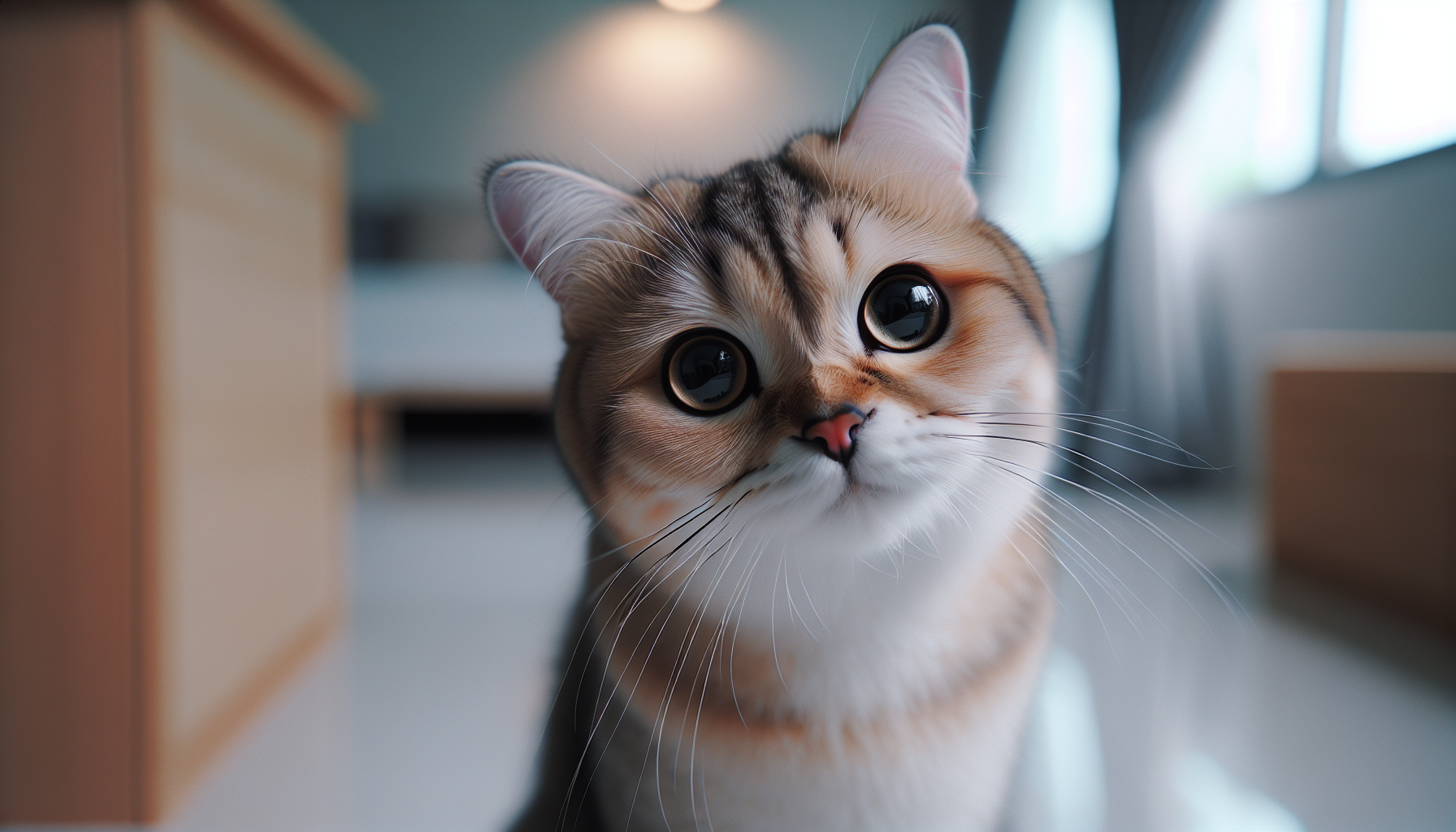
Ensuring your indoor cat remains mentally stimulated and happy is an integral part of responsible cat care. By incorporating these tips and avoiding common pitfalls, you can create a vibrant, engaging environment that meets your cat’s mental needs. Remember, a happy cat is a healthy cat, and with a little effort and creativity, you can keep your feline friend thriving. So go ahead, try out these strategies, and watch your cat flourish!