
The Ultimate Guide to Choosing the Best Cat Food: Top Ingredients and Brands for Optimal Feline Health
As a devoted cat owner, ensuring the health and happiness of your furry friend is a top priority. One of the most critical aspects of cat care is selecting the right food, which can greatly influence your cat’s overall well-being. With a plethora of options available on the market, choosing the best cat food can seem like a daunting task. Fear not, fellow cat enthusiast! This guide is here to help you navigate the world of feline nutrition with ease.
From understanding essential ingredients to selecting reputable brands, this comprehensive guide will provide you with all the information you need to make an informed decision. Whether you’re a seasoned cat owner or a newbie to the world of feline companionship, these cat owner tips will ensure your cat receives the nutrition they deserve. Let’s embark on this journey to discover how we can contribute to our cats’ health and happiness through optimal nutrition.
Key Takeaways
- Understanding your cat’s dietary needs is essential for maintaining their health.
- Look for high-quality protein sources and balanced nutrients in cat food.
- Choose brands with a good reputation for safety and quality.
- Avoid ingredients like artificial preservatives and fillers.
- Always consult your veterinarian before making significant changes to your cat’s diet.
Main Content Section 1
Cats are obligate carnivores, which means their diet should be primarily composed of meat. High-quality protein is crucial for their muscle development, energy, and overall cat health. When selecting cat food, look for options that list a specific protein source, such as chicken, turkey, or salmon, as the first ingredient. This indicates a higher concentration of meat, which aligns with your cat’s natural dietary needs.
In addition to protein, cats require specific nutrients that are essential for their well-being. Taurine, an amino acid found in animal tissues, is one of these critical nutrients. It’s vital for heart health, vision, and reproduction. Omega-3 and Omega-6 fatty acids are also important, as they support a healthy coat and skin. Look for cat foods fortified with these nutrients to ensure a balanced diet.
It’s equally important to avoid cat foods that contain fillers, artificial preservatives, and flavors. Ingredients like corn, soy, and wheat offer little nutritional value and can lead to allergies or digestive issues. Artificial additives can also be harmful in the long run, so opting for natural, wholesome ingredients is always the best choice.
Main Content Section 2
With so many brands available, it can be challenging to determine which ones offer the best nutrition for your feline friend. Some reputable brands are renowned for their commitment to quality and safety. Brands like Hill’s Science Diet, Royal Canin, and Blue Buffalo are often recommended by veterinarians due to their rigorous testing and research-backed formulations.
When choosing a brand, consider your cat’s specific needs. Factors such as age, activity level, and any existing health conditions should influence your decision. For example, kittens require a different nutrient balance than senior cats, while overweight cats may benefit from a weight management formula. Reading the labels carefully and consulting with your veterinarian can guide you in selecting the most suitable option.
Don’t forget to transition gradually when introducing a new cat food. Sudden changes can upset your cat’s stomach, so mix the new food with the old one over a week to allow your cat to adjust.
Step-by-Step Guide
- Identify your cat’s specific dietary needs based on age, health, and activity level.
- Research and compare different cat food brands, focusing on ingredient quality and reputation.
- Consult with your veterinarian to ensure your choice aligns with your cat’s health requirements.
- Purchase a small quantity of the chosen cat food to test your cat’s acceptance and tolerance.
- Gradually transition your cat to the new food, mixing it with their current diet.
- Monitor your cat’s response and health, and adjust as necessary.

Pro Tips
- Always read the ingredient list carefully to ensure high-quality nutrition.
- Incorporate wet food into your cat’s diet to increase their water intake.
- Look for food that meets AAFCO nutritional standards for complete and balanced nutrition.
- Consider your cat’s preferences and adjust flavors accordingly.
- Regularly review and adjust your cat’s diet as they age or if their health needs change.
Common Mistakes to Avoid
- Choosing cat food based solely on price or packaging without checking the ingredients.
- Switching foods too quickly, leading to digestive upset.
- Ignoring your cat’s unique dietary needs and conditions.
- Over-relying on treats, which can lead to nutritional imbalances.
- Skipping regular veterinary check-ups that can catch dietary issues early.
Frequently Asked Questions
- What is the most important nutrient for cats?
- Protein is the most important nutrient as cats are obligate carnivores and require it for energy and overall health.
- Can I feed my cat homemade food?
- While homemade food can be an option, it’s crucial to ensure it meets all nutritional requirements. Consulting with a vet is recommended.
- How often should I feed my cat?
- Most adult cats do well with two meals per day. However, individual needs may vary, so adjust based on your cat’s lifestyle and health.
- Is dry or wet food better for my cat?
- Both have their benefits. Wet food offers hydration, while dry food can help with dental health. A combination can be optimal.
- What should I do if my cat refuses to eat the new food?
- If your cat refuses new food, try mixing it with their current food and introduce it gradually. If refusal persists, consult your vet.
Conclusion
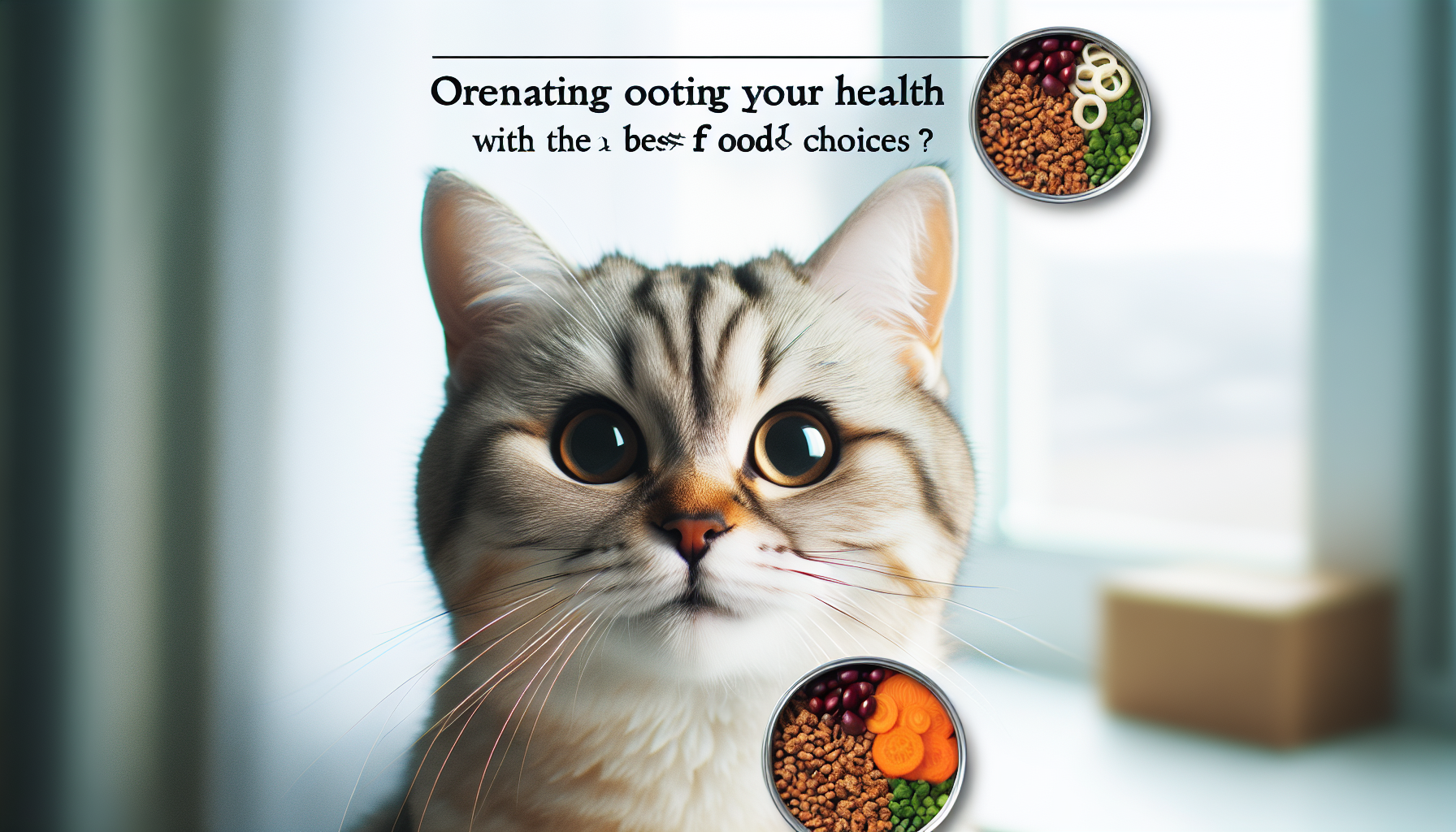
Choosing the best cat food involves understanding your feline friend’s unique needs and preferences. By focusing on high-quality ingredients, reputable brands, and balanced nutrition, you can significantly enhance your cat’s health and quality of life. Remember, your veterinarian is a valuable resource in this journey. With the right approach and a bit of patience, you’ll find the perfect diet that keeps your cat happy, healthy, and purring with contentment.